Activated Carbon supports gold recovery, water and wastewater treatment, air and gas purification, and other industrial processes.
| PRODUCT NAME | TYPE | CTC | SURFACE AREA | DENSITY | HARDNESS |
|---|---|---|---|---|---|
| COC-G50 | COCONUT SHELL BASE | 50-55 | 1000-1100 m2/g | 50-52 g/cc | <99% |
| COC-G60 | COCONUT SHELL BASE | 60-65 | 1100-1200 m2/g | 48-50 g/cc | <99% |
| PRODUCT NAME | MESH SIZE | ATTRITION | PLATELET CONTENT | KINETICS | Au LOADING |
|---|---|---|---|---|---|
| COC-G50 | 6x12, 6x16, 8x16 | <1% | <1.0% | 50-55% | 26-28 Kg Au/T |
| COC-G60 | 6x12, 6x16, 8x16 | <1% | <1.0% | 55-60% | 28-33 Kg Au/T |
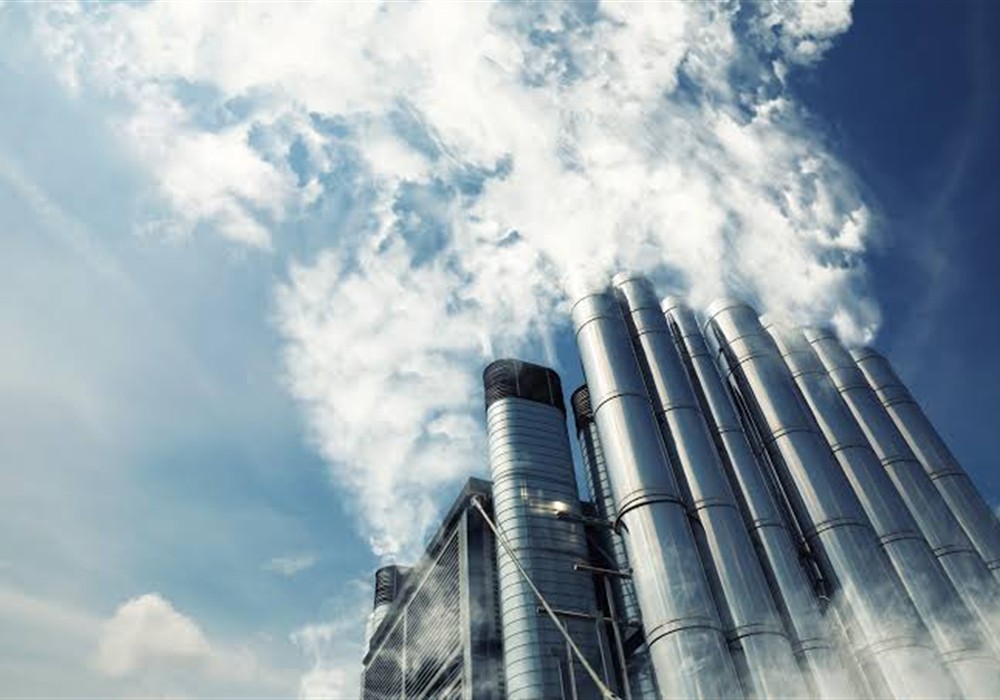
Activated Carbon is used in air treatment systems to adsorb selected gases, odours and volatile organic compounds from air streams. It supports air purification in industrial facilities, commercial buildings and ventilation systems. Carbon grade and format are selected according to the contaminants, airflow conditions and treatment requirements.
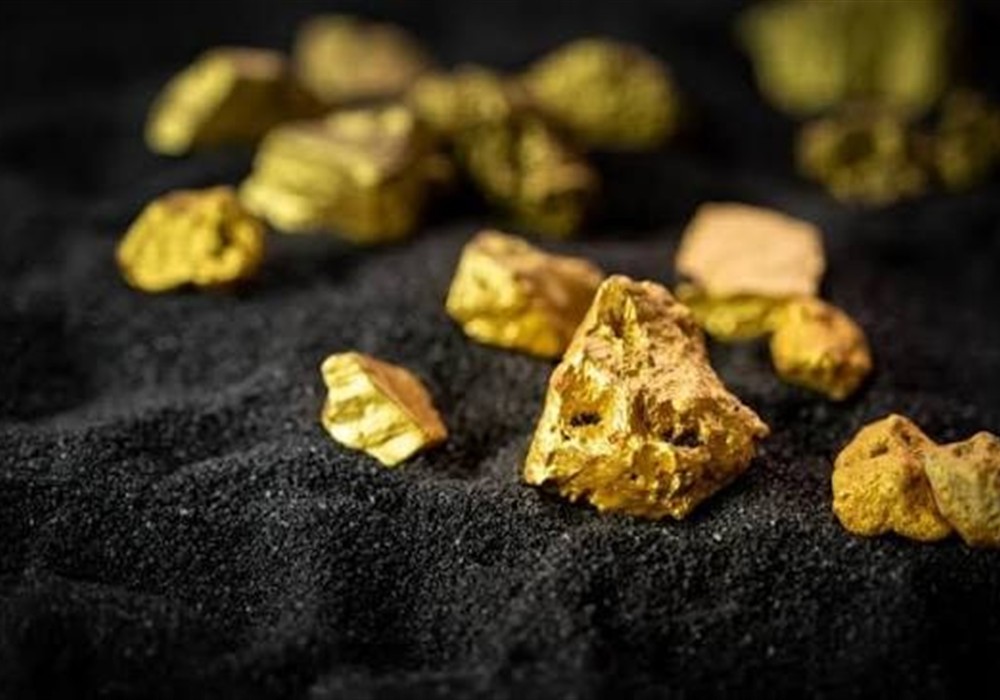
Activated Carbon plays an important role in gold recovery processes such as Carbon-in-Pulp (CIP), Carbon-in-Leach (CIL) and Carbon-in-Column (CIC). It adsorbs dissolved gold from process solutions. Hardness, particle size, adsorption capacity and abrasion resistance are key factors when selecting carbon for gold mining operations as well.
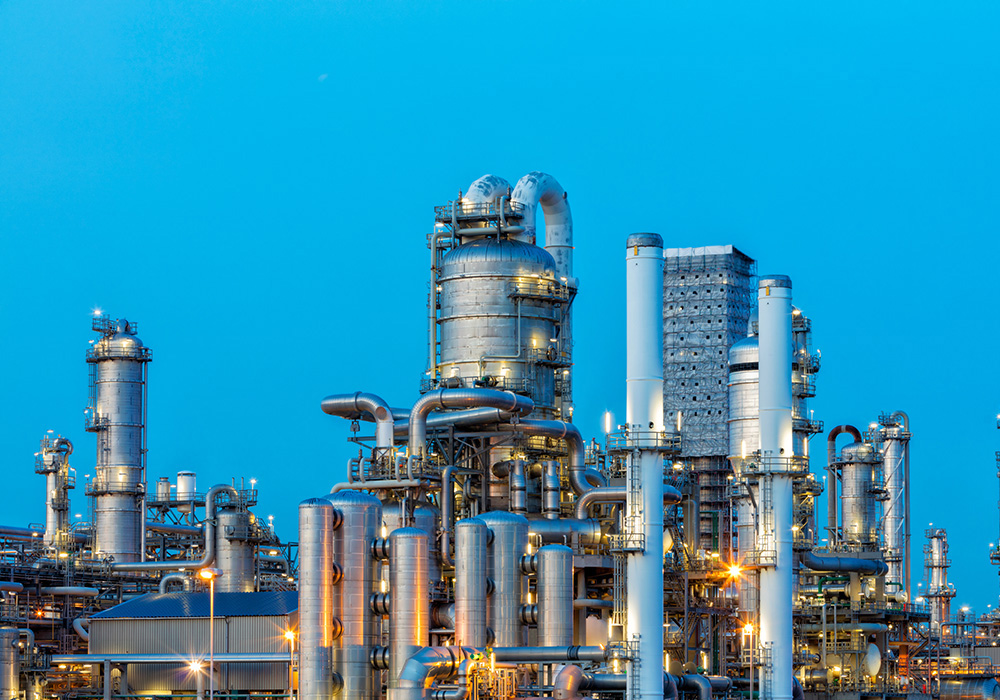
Activated Carbon is used in oil and gas treatment applications to adsorb unwanted organic compounds, hydrocarbons and odour-causing substances from gas and liquid streams. It supports process purification and contaminant control where the carbon type and operating conditions are matched to the treatment requirements in each facility where needed.
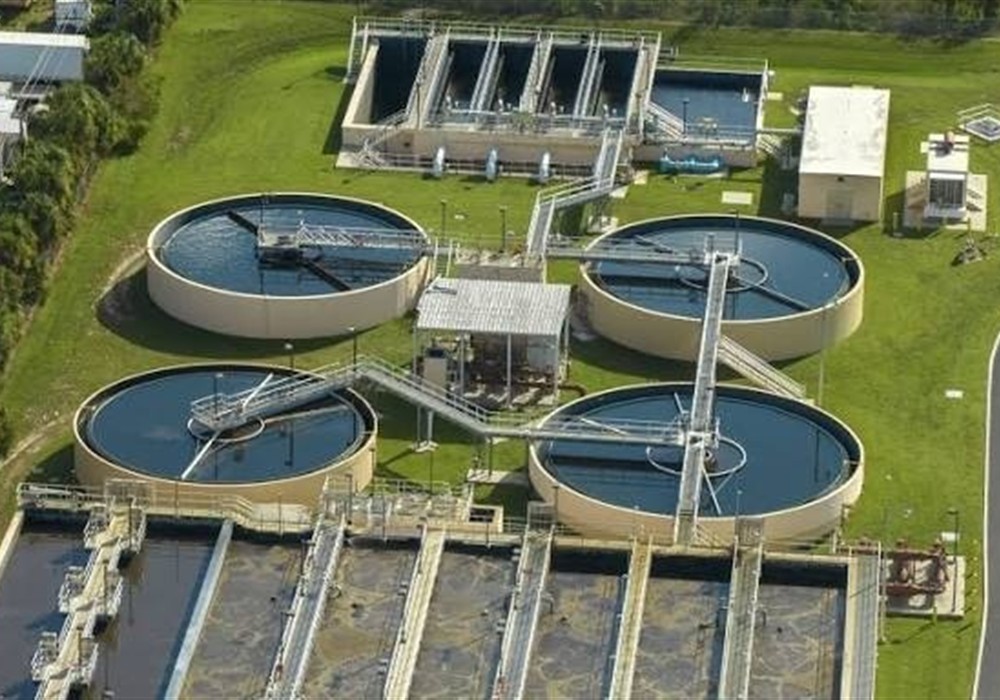
Activated Carbon is widely used in water treatment to reduce chlorine, colour, taste, odour and selected organic compounds. It is applied in drinking water systems, industrial process water and wastewater treatment. Carbon grade selection depends on water quality, target contaminants, flow rate and treatment system design in treatment systems.
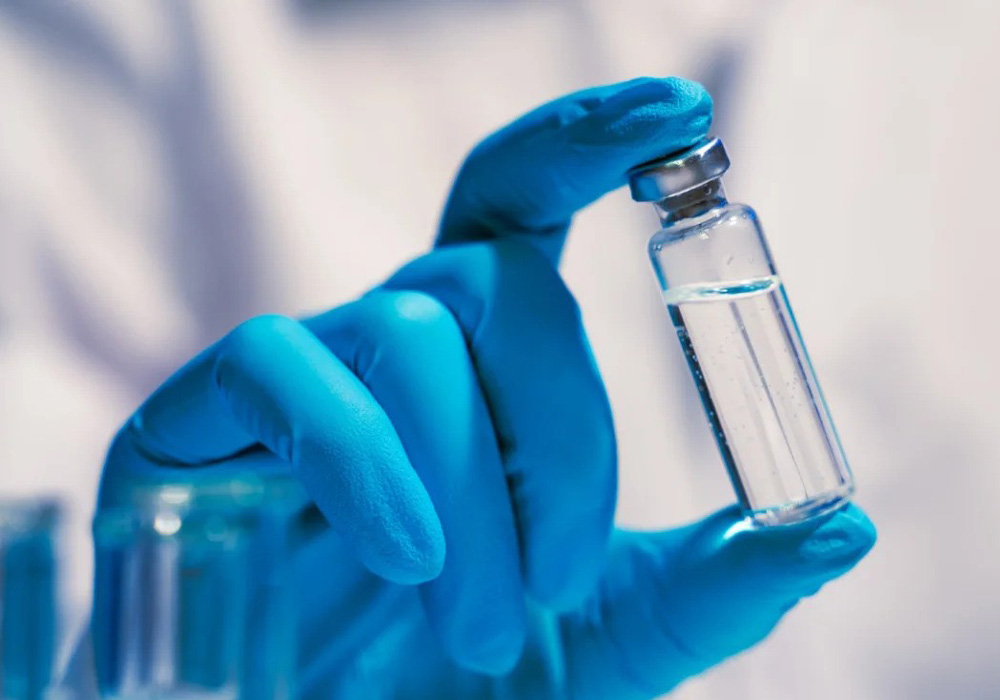
Activated Carbon is used in selected pharmaceutical and medical-related manufacturing processes for the purification of liquids and ingredients. Its adsorption properties help remove unwanted colour, odour and certain organic impurities. Product grade, purity requirements and process validation are important when selecting carbon for regulated applications.
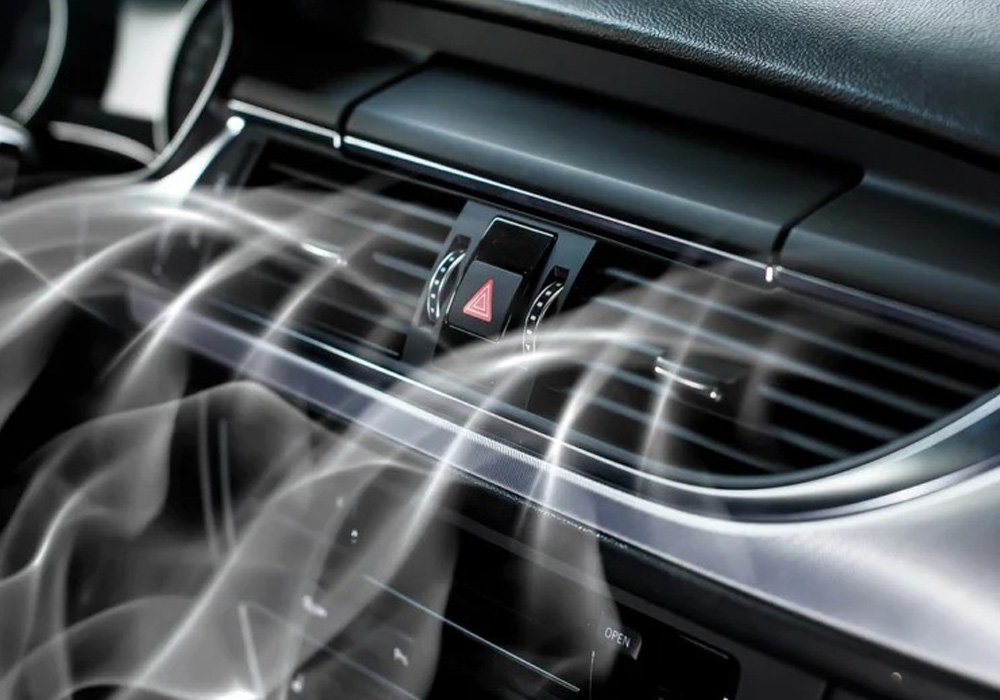
Activated Carbon is used in automotive applications such as cabin air filters and evaporative emission control systems. Its porous structure helps adsorb selected gases, fuel vapours and odour-causing compounds. Carbon form and performance requirements depend on the vehicle system, filter design and applicable industry standards in vehicles.
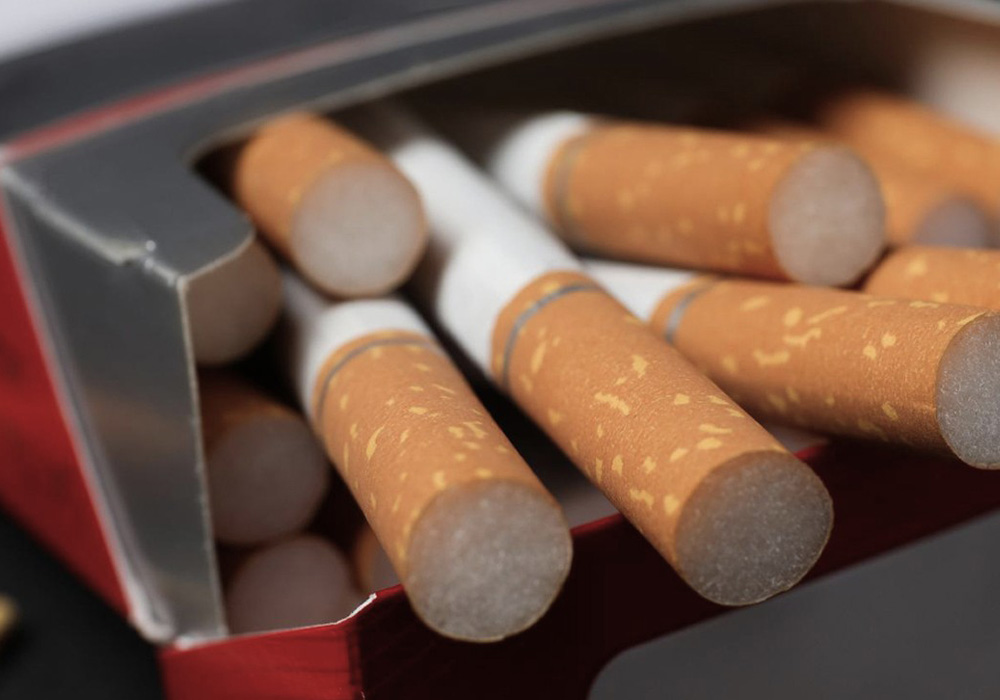
Activated Carbon is used in certain tobacco filter designs to adsorb selected gas-phase compounds. It is incorporated into filter materials to help control specific constituents passing through the filter. Carbon particle size, activity and suitability depend on filter construction and the manufacturer's product requirements in filter media.
Activated Carbon is used in food and beverage processing to treat selected ingredients and process liquids. It can help reduce unwanted colour, odour and certain organic compounds in sugar refining, edible oil processing and beverage production. Carbon grade selection must meet food-contact and process requirements across food processing.


India-based Activated Carbon manufacturer and supplier for gold recovery and industrial applications.
508 - Asopalav crossroad,
Opposite Sastri Nagar, Nana Mava Main Road,
Rajkot - 360005, Gujarat, India.
Paddhari, Rajkot, Gujarat, India - 360110
© 2026 Astra Worldwide, All rights reserved. Developed by JB Software